







*’If It Happens, We’ll Strike Oil, AI Facilities Across Gulf States’
*Hormuz Would Close Completely, Oil Would Spike, Global Economy Would Tip Into Recession, Expert Says
*Iran Braces For Possible Killing Of Its Leaders, Others In Attacks
Already reeling from the effects of high fuel costs, including riots in some European countries, the world, including Nigeria, is bracing for even higher prices this year if an allegation by the Islamic Republic of Iran is proven true.
Tehran has alleged that US President Donald Trump and Israeli leader Benjamin Netanyahu have agreed in principle on renewed attacks on the country.
Labelling any such attacks, the third in two years, as “existential threat”, Iran promised to further widen the theatre of war by directly militarily targeting the oil and Artificial Intelligence (AI) facilities of Gulf nations – a development that would drive global fuel prices far above current rates.
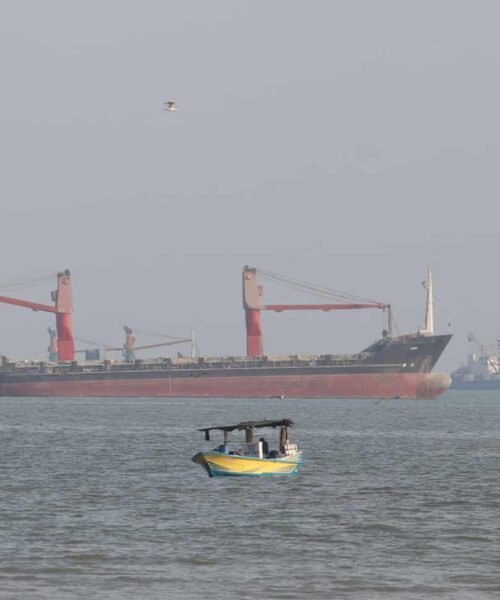
Also, such outbreak of war would see Iran completely shut the vital Strait of Hormuz through which about a quarter of global oil shipping passes.
Iran further alleged that US and Israel were fine-tuning plans for the attack, expected to start sometime after the November 2026 midterm elections into the US Congress.
For Nigeria, such option would mean increased petrol prices from the present rates hovering around N1,358 a litre, to perhaps N2000 or more a litre within the festive Christmas period.
Secretary of Iran’s Supreme National Security Council, Mohsen Rezaei, said: “We will strike oil facilities, undersea cables, datacentres and AI facilities across as many as seven countries in the Gulf in the event of a fresh US-Israeli attack.”
The last joint US–Israeli military operation against Iran, Operation Epic Fury, occurred from 28 February, 2026, to 5 May, 2026. Iran’s Supreme Leader at the time, Ayatollah Ali Khameini, and a host of military and political leaders were killed in the strikes on the first day.
Mehdi Mohammadi, an adviser to Mohammad Ghalibaf, the hardliner who led Iran’s negotiations with the US to end the conflict between the two countries, said Trump and Netanyahu had agreed on the sketches of an attack, but could not guarantee a successful outcome, reports the Guardian UK on Thursday (today).
He added: “We see the next conflict as an existential threat. The third war in two years means a threat to existence. Our strategy is ‘zero red lines’.”
Mohammadi said: “We break the temporal and spatial dimensions of the conflict. The war will continue longer and in a wider geographical area than the enemy anticipates.”
An international lawyer close to the Iranian Foreign Ministry,Reza Nasri, was quoted by the Guardian UK, as saying: “A third wave of war would not stay contained. Power grids, desalination plants, refineries and ports across the region would burn.
“Tens of millions would be left without water or electricity, and a massive wave of refugees would move from Arab countries towards Europe.
“Hormuz would close completely, oil would spike, and the global economy would tip into recession. Israel’s economy, already bled by mobilisation and missile fire, would not survive a prolonged war of attrition. And Trump would be trapped in a crisis that consumes the rest of his presidency and leaves a wreck for his successors.”
Fars news agency, which is close to the Iranian Revolutionary Guards Corps (IRGC), said Iran had issued directives to its various military and operational units “stipulating that in the event of a new widespread war, involving the assassination of Iranian officials and the killing of civilians, the Iranian response will not be limited to military targets, but will also include political targets.”
Consequences Of Fuel Price Hike In Nigeria, US, Europe
In Nigeria, the effects of higher fuel prices, occasioned by any fresh upheaval in the Gulf, may be additionally deleterious.
Already, the current prices have spurred a massive cost of living crisis in the country, drawing huge outcries from the people, with the Federal Government’s handling of the issue now an election weapon by opposition political parties in the run-up to the 2027 general elections.
Similarly, in the US, higher fuel costs have provoked great anger against the Trump administration as pre-election opinion polls suggest the emotion could cost his Republican party control of Congress in next month’s midterm elections.
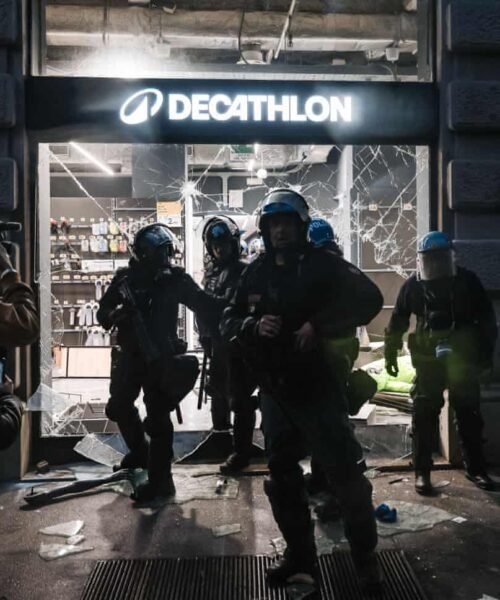
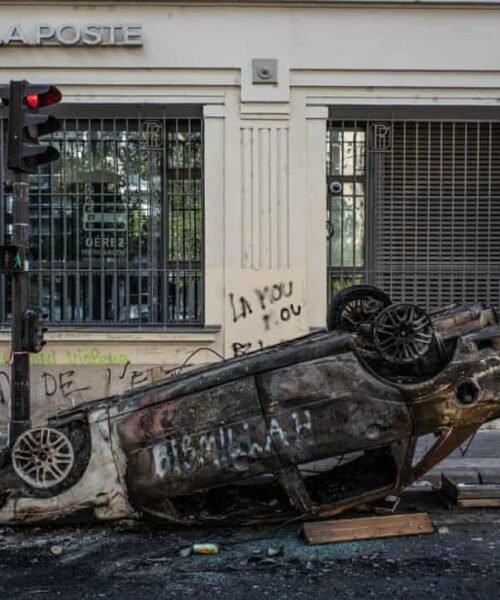
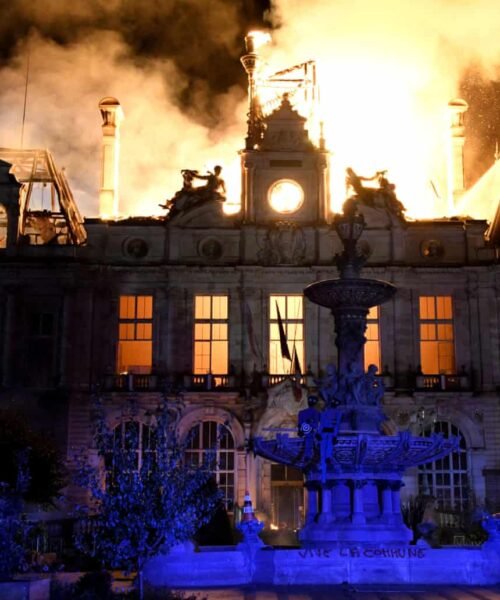
The situation is also not palatable in Europe where jerked-up cost of living, partly sparked by increased fuel prices, triggered ongoing riots in France, Italy, Greece and other countries.
Iran’s Planned Strike Response Structure
Iran’s ability to mount operations against Gulf nations friendly to the US, including any unofficial help it receives from China or Russia, will be a key factor in any American decision to restart the war.
Iranian media reported that Rezaei had declared: “In the event of a war, cables, datacentres and artificial intelligence facilities could also be targeted. If the conflict breaks out again, we will have a broader plan.
Trump has rejected striking Iran again seven times in the past four months,the newspaper added. However, a deadlock in diplomatic negotiations with Iran has led US government officials to brief about a potential new military campaign that would target missile sites, oil installations and nuclear sites.
US-Israel In Joint Exercises
The sabre-rattling by both sides has coincided with extended joint-training manoeuvres by the US and Israel, including practice runs over Iraq.
Dozens of Israeli planes also flew close to the Iranian border earlier this week, according to the news site Axios. A big fire at a large aluminium factory in Arak in central Iran suggests sabotage operations may be underway inside the country.
Netanyahu met the US Secretary of Defence, Pete Hegseth, in Israel on Monday to discuss the timing and purpose of a joint attack, the paper reported.
Netanyahu would prefer it if Iran attacked first, he reportedly told Hegseth.
A US military buildup is due to be completed by early November, before a possible newly Democrat-inclined Congress or Senate take their seats in January. Trump intends to have stationed three aircraft carriers, thousands of marines, fighter jets and special operations forces in the Middle East by November.
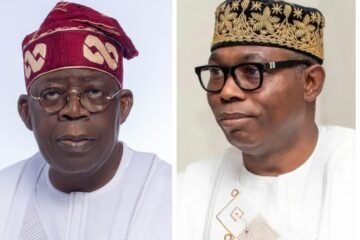
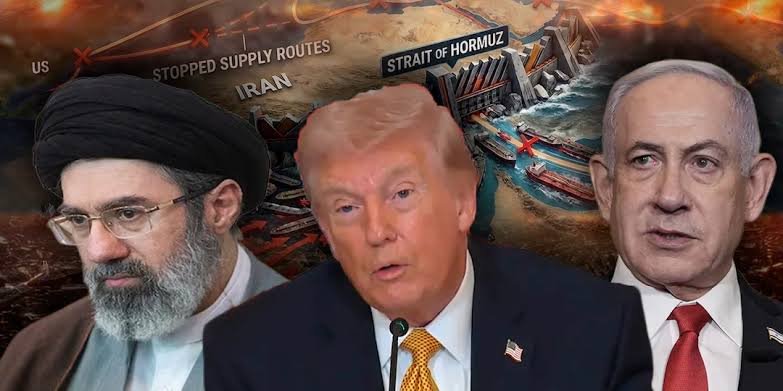
*PHOTO CAPTION: L-R: Iranian Supreme Leader Mojtaba Khameini; Trump; and Netanyahu.