







By Our Correspondent
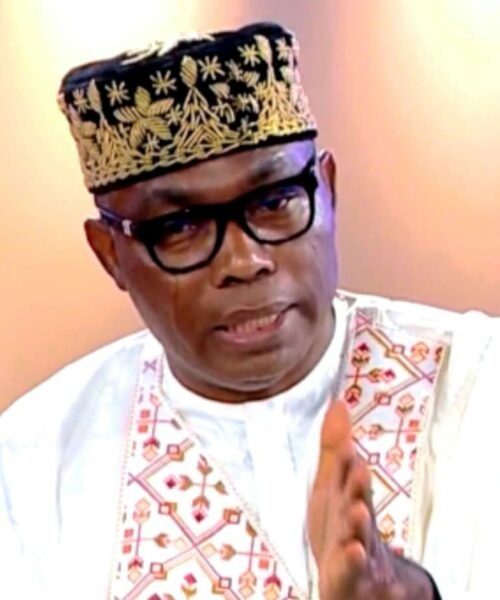
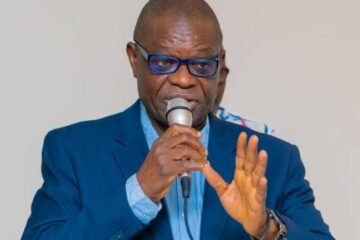
OLORIEWE Raheeem Adedoyin has urged journalists to hold government accountable while maintaining professional independence and fairness, warning that public interest journalism should not turn the media into an institutional opponent of government.
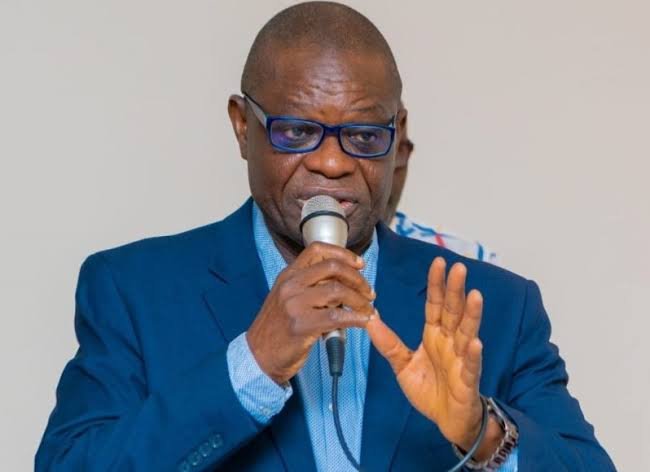
Adedoyin stated this on Saturday, October 10, 2026, while delivering the keynote address at the virtual inauguration of the Kwara State Chapter of the Association of Communication Scholars and Professionals of Nigeria (ACSPN).
Speaking on the theme, “Journalism, Communication and the Imperatives of Good Governance,” he said journalism, communication and governance were closely interconnected forces that shaped society and sustained democracy.
According to him, journalism informs society, communication connects it, while governance directs it.
He stressed that the media had a constitutional responsibility to promote accountability and ensure that government remained answerable to the people.
Citing Section 22 of the 1999 Constitution of Nigeria, as amended, Adedoyin noted that the provision mandates the press, radio, television and other mass media to uphold the fundamental objectives of state policy and ensure the accountability of government to the people.
He described this responsibility as a recognition of the media’s critical role in democratic governance, adding that journalists must use their platforms to strengthen democratic institutions and promote the ideals of pluralist democracy.
“While it is true that politicians and public officials have innate predilections for cover up of crimes and misconduct, it is good journalism to strive to expose them in the interest of the public good,” he said.
However, he cautioned that holding government accountable did not mean that the media should automatically oppose its policies and programmes.
“Where government performs well, our reportage must reflect this, but where government fails, journalism must also expose the failure of the state,” he said.
Adedoyin maintained that only a free, fearless and professionally responsible press could sustainably support a vibrant democracy.
He also identified communication as an essential instrument of good governance, arguing that even well-conceived policies, major infrastructure projects and far-reaching reforms could fail to achieve their intended impact if citizens did not understand them.
According to him, poor communication between government and the people creates a disconnect that allows misinformation, rumours and fake news to thrive.
He said government must explain what it is doing, why it is doing it and how its policies affect citizens’ lives.
“Governance is the art of translating public authority into public good, communication is the bridge that connects the two,” he said.
The keynote speaker explained that communication enabled government to explain its policies to the people, while journalism provided society with the means to question and scrutinise the exercise of public power.
He added that dialogue was necessary to ensure that citizens became active participants in governance rather than passive spectators.
Adedoyin further noted that communication should be a two-way process, allowing government to convey policies and initiatives to the public while providing citizens with opportunities to express their needs and concerns.
He described the media as a participant-observer in this relationship, with a responsibility to facilitate the exchange of information between government and the governed.
As the country approaches another general election, he said the relationship among journalism, communication and governance had become particularly important to the survival of democracy.
He warned that the three forces must be anchored on responsibility, credibility and accountability to serve the public interest.
“Journalism without responsibility can become only noise; communication without credibility can become propaganda, while governance without accountability can become detached from the very people in whose name political authority is exercised,” he said.
Adedoyin congratulated the organisers of the inauguration for establishing a platform to bring together communication scholars and media professionals in Kwara State, describing the initiative as an important step towards strengthening professional collaboration.
He expressed confidence that closer engagement among academics and practitioners would help deepen understanding of the media’s role in democratic development and improve the relationship between government and citizens.