







*Warns Of Widespread Retaliation
*’If American Planes Take Off From A Distant Military Base And Come To This Country To Bomb Iran, We Will Also Target That Base’
*Oil prices fall
Senior Iranian officials believe the United States (US) is planning either further military strikes or an ever-tightening economic stranglehold that will push hard-pressed citizens of the Gulf nation into fresh protests.
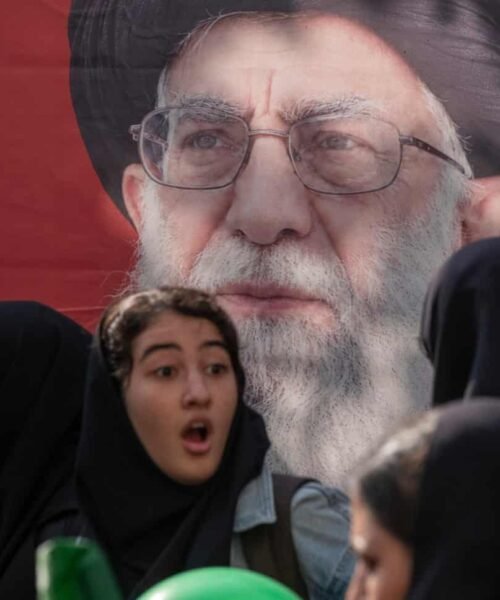
They believe such demonstrations are being primed to potentially break out about late December (next month) to coincide with the one year anniversary of the last such uprising, which then spilled into January 2026 and elicited bloody reprisals from the clerical leadership then led by the now-late Ayatollah Ali Khamenei.
Tehran stated that the alleged US plot will provoke it into retaliatory action.
The assessment came from Mehdi Mohammadi, an adviser to Iran’s chief negotiator in talks with the US, Mohammad Bagher Ghalibaf.
Mohammadi’s assessments suggest some senior Iranians fear Washington’s strategy might work by destabilising the country.
The thinking goes that economic turmoil might spark street protests.
On this basis, the Iranian leadership might conclude that the status quo – a “no peace, no war” impasse – was not sustainable and pre-emptive action was required.
Mohammadi said on his Telegram channel that the Americans had proposed a timeframe of about two weeks after which US President Donald Trump would make a decision on military action.
Mohammadi, who is regarded as a reliable indicator of Ghalibaf’s thinking, cast doubt on the US President’s claim that the military option was off the table. He claimed Washington was preparing for a limited strike and Iran was already preparing a response.
If the US sanctions continued, he said, a comprehensive pre-emptive war would be needed “to increase the cost of sanctions for the enemy.”
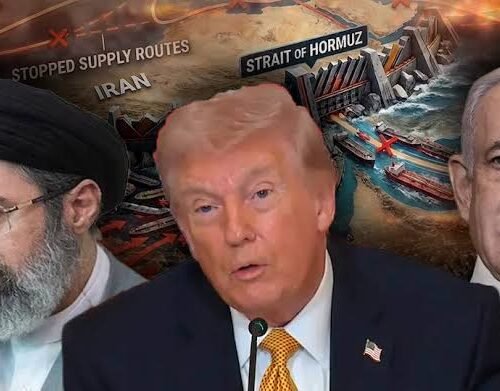
Mohammadi described the US response to Iran’s latest proposals on reopening the Strait of Hormuz as “not only unsatisfactory but completely deceptive.”
“They do not want to release the frozen funds,” he said. “They do not want to lift the sanctions and they do not want to stop the war in Lebanon.” Some pillars of Iran’s proposals to reopen the Strait through which about a fifth of the world’s oil shipping pass through, are anchored on the US agreeing to these.
He also disclosed that Iran had rejected a request from the US Vice-President JD Vance for a direct meeting with its negotiators before giving a response to Tehran’s conditions for lifting the siege on the Strait.
Iran’s Claims On Successfully Blockading Strait Might Be Inaccurate
For now, Trump has settled on a strategy of suffocating Iran through economic pressure and tightening the blockade on its oil exports while facilitating those of other Gulf states through Hormuz.
Despite Iranian claims that their blockade of the Strait is working, there is concern that Brent crude is at a relatively low $93 a barrel, while Saudi oil production is near prewar levels of 9.3m barrels a day. In an attempt to close any loopholes, Iran said it bombed a US radar post on the Omani island of Didamar three days ago.
‘No Particle Of Iranian Uranium Will Be Transported Outside’
In another development, the Secretary of Iran’s National Security Council, Mohsen Rezaei, said he had told Russia that Iran was not prepared for even a particle of its highly enriched stockpile of uranium to leave the country, saying it might be needed for planned nuclear-powered submarines.
‘Iran Will Target European Nations That Give US Military Logistics’
A third senior official, Mohammad Mokhber, an adviser to Iran’s Supreme Leader, Mojtaba Khamenei, warned Europe that any complicity in the US blockade would be “an act of war that will be etched in the nation’s historical memory.”
Tehran has been increasingly clear that US bases in Europe will be targeted if fighting resumes.
Rezaei said: “If American planes take off from a distant military base and come to this country to bomb Iran, we will also target that base. We are announcing this now so they have no excuse tomorrow.”
US Secretary of State, Marco Rubio, gave the impression this week that the policy of economic strangulation was sufficient and described Iran’s demands as unrealistic.
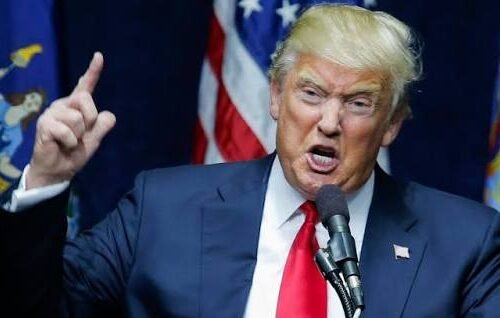
However, Trump is under pressure to resolve the crisis before the Democrats take charge of Congress on 3 January.
A Reuters Ipsos poll in the US shows 71% of Americans want Congress to pass legislation to end the war in Iran.
The overwhelming message from the midterm elections was that the conflict was highly unpopular, but the Democrats do not have a strategy to end it and open up the Strait of Hormuz.
This risks leaving the political initiative with the White House, and an increasingly hardline Iranian leadership; meaning, likely more drama ahead.
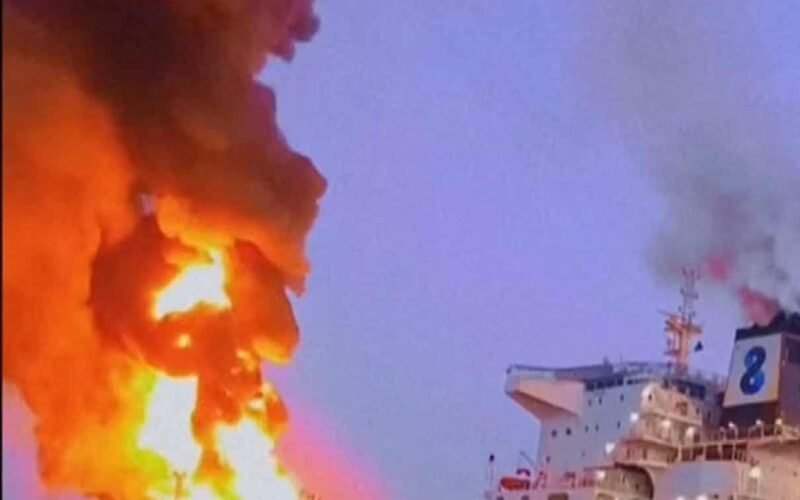
*PHOTO CAPTION: An oil tanker burns off Oman in the Strait of Hormuz on Sunday, apparently after an attack by Iranian forces trying to stop oil shipments. Photograph: Social media/Reuters.