








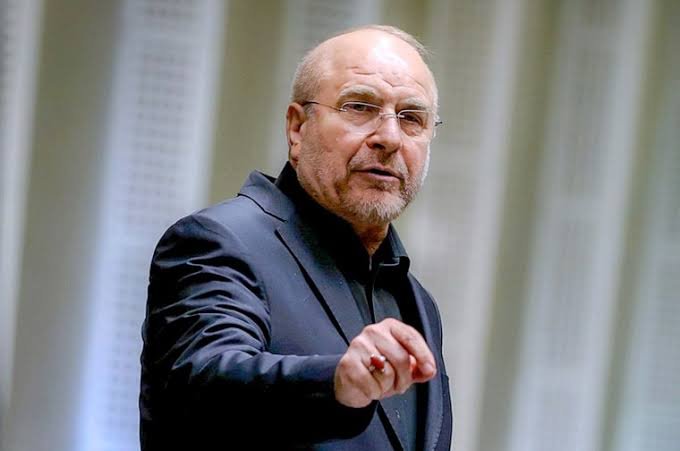
Iranian Parliament Speaker Mohammad Bagher Ghalibaf has reportedly resigned from leading negotiations with the United States (US), according to an unsourced report on Channel 12, an Israeli free-to-air TV station.
The report claimed that Ghalibaf stepped down from his role overseeing talks with Washington and mediation efforts led by Pakistan, citing growing interference from hardline Islamic Revolutionary Guard Corps (IRGC) generals, who seem presently in greater control of power in the embattled Arab Gulf nation.
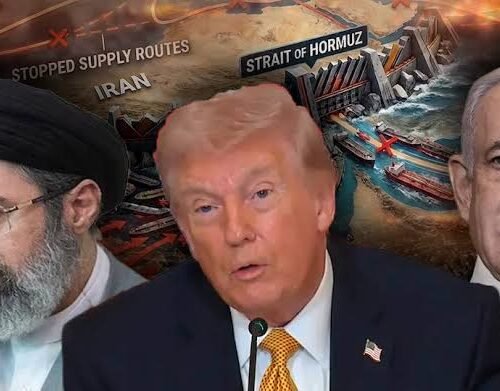
The dispute reportedly came to a head over a Qatari proposal aimed at easing tensions in the Strait of Hormuz, which would have allowed 20 Iranian vessels to transit the waterway in exchange for 20 ships from Arab Gulf ports to do the same.
The proposal was ultimately blocked by Iranian officials, including Foreign Minister Abbas Araghchi, whom Ghalibaf replaced as head of Iran’s talks team in Pakistan.
Many internal eruptions in the government of Iran are closely shielded from global knowledge, more so with the current internet blackout since the war with the US/Israel started on 28 February this year.
However, reports have spoken of tension within the government as certain top officials, including Ghalibaf, have reportedly queried the strategies being adopted by the IRGC over the matters of ceasefire and US blockade of Iranian ports.
On Wednesday (yesterday) a US official told Axios, a US-based news site: “We saw that there is an absolute fracture inside Iran between the negotiators and the military — with neither side having access to the Supreme Leader [Mojtaba Khamenei], who is not responsive.”
Axios, quoting the official, reported that Washington was giving the fragmented Iranian leadership a window of three to five days to “get their shit together” and respond to a proposed deal and return to negotiations, or risk the collapse of the current ceasefire.
In extending the ceasefire with Iran on Tuesday, US President Donald Trump offered “a bit of flexibility” to a regime suffering from “a lot of internal division” as a result of the war, White House spokesperson Karoline Leavitt said.
“This is a battle between the pragmatists and the hardliners in Iran right now, and the President wants a unified response,” she added.
IRGC Generals ‘Dominant Force’ In New Power Structure
According to analysts cited in a New York Times (NWT) report, the IRGC generals remain the “dominant force” in Iran due to Mojtaba Khamenei’s personal relationship with them.
Director of Chatham House’s Middle East and North Africa program, Sanam Vakil, told the NYT that Khamenei is “not yet in full command or control.”
“There is, perhaps, deference to him, said Vakil. “He signs off, or he is part of the decision-making structure in a formal way. But he is presented with fait accompli presentations right now.”
Ghalibaf had said on Saturday that Iran’s response to the recent US proposal for a peace deal has been shared with Khamenei and that the Supreme Leader’s position on the matter will be taken into account.
Ghalibaf recently took charge of negotiations with the US, the NYT reported, with Araghchi having been sidelined after leading talks prior to the war.
The Speaker had taken a more pragmatic tone in his Saturday address, acknowledging that Iran is not “more powerful than the United States” despite its recent “military gains.”
“Sometimes, I see our people say ‘we destroyed them’,” said Ghalibaf. “No, we did not destroy them; you need to understand this.”
*PHOTO CAPTION: Ghalibaf.