






By Felix Durumbah, Abuja
Apparently struggling to sustain its leadership role as beacon for many African nations, Nigeria has, over time, often tried to live up to expectation, its clearly jutting warts notwithstanding.
The country’s endemic, self-inflicted wounds screaming for healing, Nigeria has trudged on relentlessly, even attracting the attention of other African nations that seek tutorials on how to keep up certain aspects of national life.
To Doomsday prophets, this may not be good news, but the raw fact remains that Nigeria is not a total failure in all areas.
Of course, this must have been the underlying reason behind the visit of a delegation from Tanzania’s Ministry of Works to Abuja, the Nigeria capital, to understudy how a vital organ of Federal Capital Territory Administration (FCTA) has been functioning successfully -again, irrespective of humps and warts.
It is instructive to note that the East African country has a new capital, Dodoma, with the authorities desperate to ensure it functions seamlessly like any world-class city, which Abuja is.
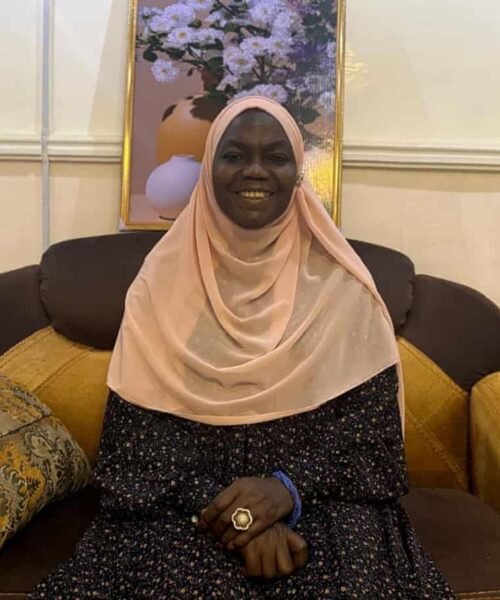
Led by Amina Lumuli, the delegation stormed FCTA this week with a clear mission: to learn how Nigeria’s capital manages the complex web of roads, bridges, drainage systems, and street lighting that keep a modern city alive.
Not speaking much, the team was all ears, lapping up whatever information the FCTA officials had to offer.
Lumuli said: “We came to learn from Nigeria’s experience, and will leave with a deeper understanding of what it takes to keep a city alive.”
The relevant agency visited was the FCTA’s Department of Facilities Maintenance and Management (DFMM), located within the FCTA Secretariat on 1 Kapital Road, Area 11, Garki.
The Tanzanian ‘students’ were welcomed by Head of DFMM, Dr. (Engr.) Ayuba A. Usman, a man whose beat, on his trajectory over time to the top, has seen him oversee the city’s infrastructure since the department’s transformation in 2005.
He told the visitors: “Our vision is simple: To maintain and manage clean, functional infrastructure within the resources available.”
A City That Never Sleeps
Abuja’s infrastructure team works round the clock. For a city that houses the headquarters of Economic Community of West African States (ECOWAS), the United Nations office, embassies of almost every conceivable nation on earth and many other international institutions, as well as serves as succour for Nigerians fleeing ravaging insecurity and rising poverty in other parts of the country, infrastructure here must be working optimally – and be seen to be doing so.
From repairing potholes and assessing bridges to maintaining solar-powered street lights, DFMM’s responsibilities apparently stretch across every corner of FCT.
Thirsty to see and understand how city infrastructure maintenance and management in Abuja is handled, the Tanzanian delegation toured facilities where engineers demonstrated deployment of hi-tech tools such as hypertronic testing machines that pinpoint cable faults within a meter, and cross-boring machines that lay cables under roads without disturbing the surface.
Human Sacrifice In Service Delivery
But behind the technology lies human sacrifice. Dr. Usman did not shy away from recounting the risks: staff injured or even killed while working on highways, often due to reckless driving.
“It is a high-risk job,” he admitted, “but one we must do to keep the city running.”
Vandalism Challenge
Infrastructure in Abuja is often destroyed or damaged by scavengers (locally called babanbola ) for profit.
Under cover, especially at night, these miscreants routinely and unconscionably hack down streetlights stripping them of vital components for sale, steal drainage covers, and damage electrical assets.
“It is a peculiar problem here,” Engr. Usman told the visitors, explaining that the perpetrators arrive from areas outside the Federal Capital City (FCC) of Abuja.
The Tanzanians listened with rapt attention, conscious that such threat could afflict Dodoma, once operational.
A key theme of the visit was whether to centralize or decentralize facility management in countries.
Nigeria’s model is decentralized, with districts managed by dedicated staff who report through a hierarchy. This ensures swift responses to issues like streetlight failures or drainage blockages.
Tanzania, moving its capital from Dar es Salaam to Dodoma, is weighing whether to adopt this segmented approach or centralize maintenance under one agency, Lumuli hinted.
Despite Abuja’s successes, challenges remain. Procurement delays, unreliable public power supply, and budget shortfalls often make progress tardy.
But the Tanzanians were informed that such hurdles were not allowed to hinder service delivery in any way as residents of Abuja continued to express satisfaction with the workings of facilities in the FCC.
People&Politics found out that there were instances when, due to urgency of a facility maintenance need against the slow grind of public service bureaucracy, some staff members had to dip hands into their salaries to get certain facilities working, then wait for reimbursement.
Dr. Usman emphasized that facility management is not just about fixing things, pointing out that it had more to do with sustaining the beat of life of any city.
At the conclusion of the tour, the delegation said the visit was more than just a trip, but a priceless sneak peep into the realities of running a modern capital city.
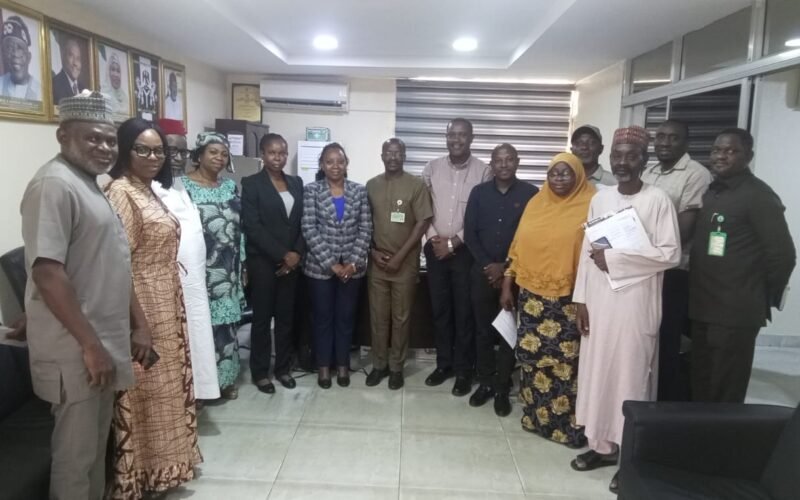
*PHOTO CAPTION: Amina Lumuli (6th left), Dr. Usman (6th right) flanked by management staff members of both FCTA and Tanzanian Works Ministry in a group photograph after the tour.