











By Sylvia Kodilichukwu, Enugu
A group, Phil Chrisn Care and Support for Women Foundation, has trained women journalists on menopause management in their work places.
The one-day capacity training with theme ‘Women Jornalists and Menopause: Balancing Health, Work and Place’, took place at the Press Centre of the Nigeria Union of Journalists (NUJ), Enugu State Council.
Founder of the group, Mr. Tony Ogbodo, in his address, said that the training, held in collaboration with Nigeria Association of Women Journalists (NAWOJ) in the state, was to educate and sensitize women journalists on menopause management, symptoms and mental well-being.
He described menopause as a natural end stage of a woman’s reproductive system, noting that women pass through several challenges during that stage which their family members and others are ignorant of.
Ogbodo appealed to women journalists to support the foundation by creating awareness and sensitizing other women right down to the grassroots about menopausal management.
He stressed that continuous awareness and sensitization will help eliminate misconceptions, encourage early health-seeking behavior and improve quality of life for women across the country.
A facilitator, Mrs. Ndidiamaka Okafor, in her lecture, said that the training is aimed at sensitizing women journalists on how to manage menopause signs and symptoms while still increasing their productivity in the office.
Okafor defined menopause as a stage that requires understanding rather than stigma, pointing that many women suffer in silence due to inadequate information and cultural misconceptions surrounding menopause.
She explained that menopause usually occurs between the ages of 45 and 55, marking the end of a woman’s menstrual cycle, and is often accompanied by symptoms such as hot flashes, night sweats, mood changes, and difficulty in sleeping.
According to her, while menopause is not a disease, regular medical check-ups and healthy lifestyle choices can help women manage its symptoms and reduce the risk of related health conditions.
She also encouraged women to maintain balanced diet, wear light clothing, put on flat footwears, engage in regular physical exercise, and seek professional medical advice whenever symptoms become severe or affect their quality of life.
Mrs. Okafor called on families, employers, and communities to provide emotional support for women going through menopause, stressing that understanding and empathy can improve their overall well-being.
She called on government and relevant stakeholders to intensify public education campaigns aimed at promoting awareness and improving access to quality healthcare services for middle-aged and older women.
Earlier in an opening remark, the Chairperson, NAWOJ, Enugu state chapter, Comrade Ngozi Ngene, noted that the programme was an opportunity for women to learn from experts, share experiences and gain practical knowledge that will help them achieve a healthy professional and personal life.
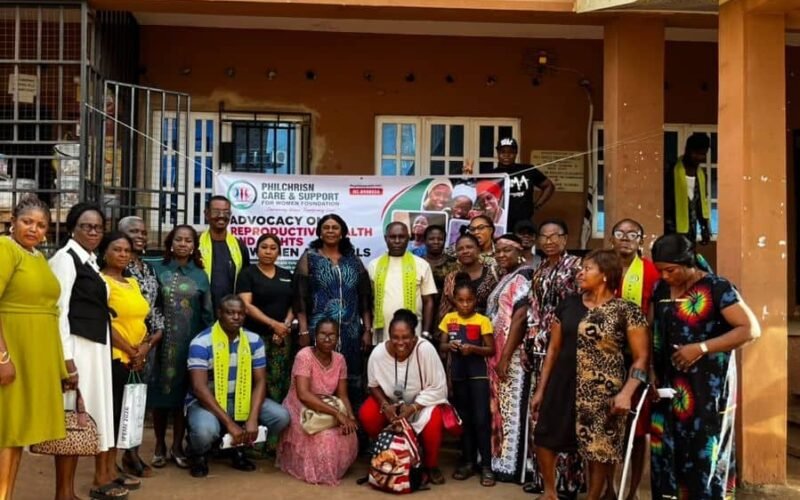
*PHOTO CAPTION: Participants pose for a photograph after the training.