











(As published in Sunday New Telegraph, on May 10, 2026)
By SHEDDY OZOENE
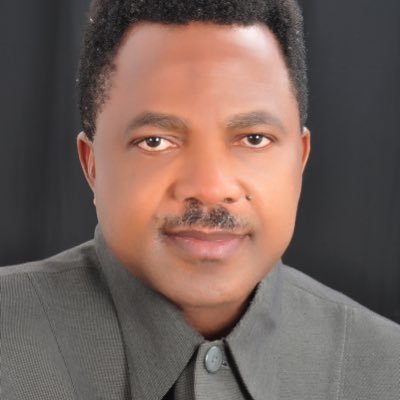
Last week, Honourable Chima Obieze did something that surprised many people. In fact, for a moment, I thought I had misunderstood the story. At a time when many members of the Enugu State House of Assembly are quietly positioning themselves for another term and anxiously seeking the governor’s endorsement, Obieze was busy doing something almost alien in Nigerian politics: actively searching for someone to replace him and possibly surpass his record.
Then came the announcement that caught public attention. The tall, soft-spoken lawyer and legislator took to Facebook and declared that he would not seek re-election to represent Ezeagu Constituency in the Enugu State House of Assembly. No drama. Just a simple message from a man who believes his time in the Assembly has run its course.
Having spent a record three terms in the House, Obieze said he now wanted “to aim higher, pay more attention to my personal affairs, and explore other opportunities.” And just like that, he stepped aside. Even stakeholders in Ezeagu Local Government Area were amazed.
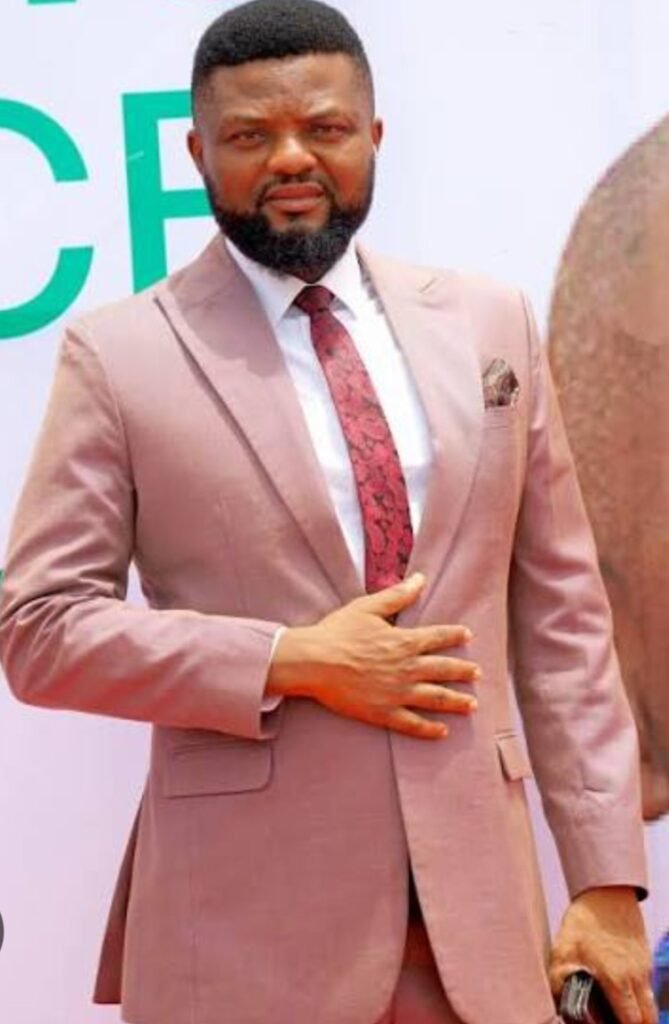
In Nigeria, many politicians never seem to know when enough is enough. Even when the public is tired, even when their ideas are exhausted, even when their presence has become a burden, they still cling stubbornly to power until they are pushed out in disgrace. That is why Obieze’s decision resonated far beyond Ezeagu, far beyond Enugu State.
What struck many people was not merely that he chose to leave, but the manner in which he did it. There was grace in his words. There was gratitude. He thanked God for the opportunity to serve; he appreciated his constituents for giving him the mandate, and he congratulated Mrs. Adanma Ode, who has been endorsed by his party to succeed him. He reaffirmed his loyalty to Governor Peter Ndubuisi Mbah and expressed hope for the continued progress of Enugu State.
The act drew widespread acclaim, as positive reactions poured in from across the country.
One comment I came across impressed me. Written by Mr. Dominic Kidzu from Calabar, it captured the public mood perfectly. He admitted he was shocked because, according to him, Nigerian politics has long been dominated by greed, avarice, and gluttony. He added that he was yet to see a politician quietly withdraw from a race in which he had the advantage, without prompting and without rancour. “I am yet to see a politician write such a graceful epitaph at the close of their tenure, expressing gratitude to God and to their constituents.”
That line stayed with me because, truthfully, what Obieze did should be normal in a healthy democracy. Public office is not an inheritance. It is not private property. It is not a lifetime entitlement. It is service, and every service ought to have an endpoint. And that is where the contrast with many so-called honourables becomes impossible to ignore.
Across the country, in both state and national legislative houses, many lawmakers have become sit-tight representatives, even when their performances leave much to be desired. The Senate of Nigeria, for instance, has increasingly become a retirement home for former governors and political godfathers who sleep through important debates. The same can be said of many members of the House of Representatives of Nigeria, several of whom are little more than bench-warmers.
Is it not in the same Enugu State Assembly that Chima Obieze serves alongside Iloabuchi Aniagu? Aniagu, who represents Nkanu West, is already in his fourth term — almost 16 long years in that legislative chamber — yet he still pushed aggressively for another term before stakeholders in the area erupted in protest that resulting in the ticket for the next election going to another candidate, Ifeanyi Nnamani from Agbani.
Now, nobody denies any politician the constitutional right to contest elections. That is not the issue. The deeper question is whether leadership should also involve the wisdom to recognise when fresh energy, fresh ideas, and fresh faces have become necessary.
What makes Obieze’s story even more interesting is the humility that shaped his political journey in the first place. His entry into partisan politics was itself a remarkable story of providence. Many people may not remember that in 2014, when he showed interest in contesting for that Ezeagu Assembly seat, leaders in the area had preferred that the incumbent, Mrs. Cecilia Ezeilo, return for a second term. He took the decision in his stride, largely out of respect for political persuasion and party considerations.
Fate later rewarded that patience. When the PDP governorship candidate, Hon. Ifeanyi Ugwuanyi, began shopping for a running mate, Mrs. Ezeilo and Eric Oluedo emerged as leading contenders from Enugu West Senatorial District. With the support of then Governor Sullivan Chime, Ezeilo was picked as deputy governorship candidate. The Ezeagu State Assembly vacancy she left behind reopened the path Obieze had abandoned, and he returned to take the position.
Since then, he has spent three terms in the Assembly. By every political calculation in Nigeria, he could easily have pursued a fourth term, especially as many of his supporters had encouraged him to do. But he chose differently, and perhaps that decision — more than the years he spent in office or even his achievements there — will define how history remembers him.
This is significant because power, when voluntarily surrendered, acquires a certain dignity. The same is true when powerful people apply wisdom, show humility, and rise above the intoxication that often comes with office. Ask the likes of Peter Obi.
At a time when Nigerian politics is desperately in need of examples of honourable conduct, Chima Obieze has offered one. Whether others — especially those who have overstayed their welcome — are willing to learn from it is another matter entirely.
Sheddy Ozoene, Editor-In-Chief of People&Politics, is Vice President of the Nigerian Guild of Editors.(sheddyozoene@yahoo.com)