






*Would Clinton, Obama, Lula, Others Have Emerged If Their Nations Adopted Similar Approach?, He Queries
By Felix Durumbah,Abuja
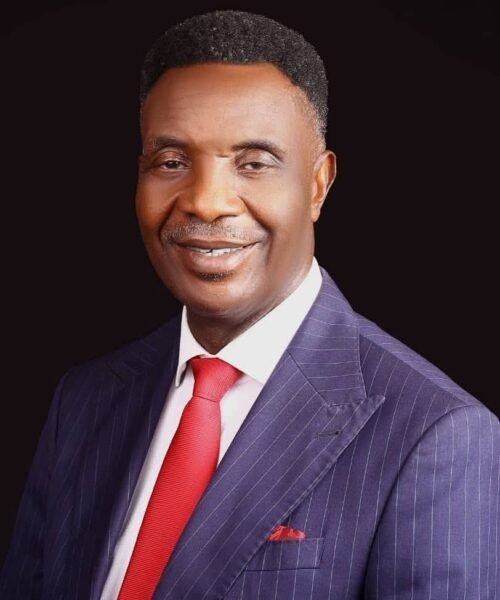
Former Minister of Aviation and Aerospace Development, Osita Chidoka, has taken a hard look at the cost of political party nomination forms in Nigeria and returned a verdict that it is a design to exclude many persons.
Seriously querying the current situation where parties charge tens and hundreds of millions of Naira for the forms, he wondered how,for instance, a worker who earned a minimum wage of ₦70,000 could afford the forms.
Doing simple maths, Chidoka stated that it would take such worker 238 years to afford a presidential form and 24 years to afford a State Assembly form.
Chidoka’s statement, made available to People&Politics, was titled: ‘The Cost of Political Party Nomination Forms in Nigeria’.
The statement: “The recently announced APC nomination fees raise serious questions about the future of democratic participation in Nigeria.
“At ₦200 million (approximately $130,000) for the presidency, ₦150 million ($97,000) for governorship, ₦100 million ($65,000) for the Senate, ₦70 million ($45,000) for the House of Representatives, and ₦20 million ($13,000) for State Assemblies, these fees have moved beyond administrative cost recovery into the realm of exclusion.
“At a minimum wage of ₦70,000, a Nigerian worker would need 238 years to afford a presidential form and 24 years to afford a State Assembly form.
“This is not a system designed for participation; it is exclusionary.
“It gets worse. Data from NDIC shows that over 97% of Nigerians have less than ₦500,000 in their bank accounts. Yet we are setting entry fees at ₦20 million and above.
“Who exactly is this democracy designed for?
“Assuming just 4 aspirants per seat, nomination fees could generate about ₦223.68 billion across the Senate, the House of Representatives, and State Assemblies.
“That is 74% of what we budget to build schools, 56% of health capital spending, and more than the entire police capital budget in the 2015 budget.
“In effect, the cost of accessing political office in one party is now competing with what Nigeria invests in education, health, and security.
“That should trouble us.
“And it is entirely avoidable. If parties were properly organised, 800,000 members paying ₦25,000 a year (about ₦2,000 monthly) would generate ₦20 billion annually, excluding donations.
“Parties can be sustainably funded by their members and supporters, not by turning nominations into a high-priced gateway that excludes the majority.
“Globally, this approach is an outlier. Across South Africa, Brazil, India, and Mexico, candidates emerge through internal democratic processes, not financial barriers.
“If these systems demanded ₦200 million upfront, it is unlikely leaders like Lula, Modi, Clinton, or Obama would have emerged.
“The signalling is disturbing. We are saying that leadership in Nigeria is not about ideas, competence, or service. It is about money.
“That is dangerous.
“I therefore urge the APC, as the governing party, to reconsider these fees and set a standard that strengthens, not weakens, our democracy.
“I also call on all political parties in Nigeria to resist the growing tendency to convert nominations into luxury items accessible only to the wealthy or their sponsors.
“Nigeria cannot build a representative democracy if access to the ballot is priced beyond the reach of its citizens. The pathway to leadership must remain open, competitive, and fair.
“This is bigger than APC or any other party. It is about whether Nigeria remains a democracy in practice, or only in theory.”
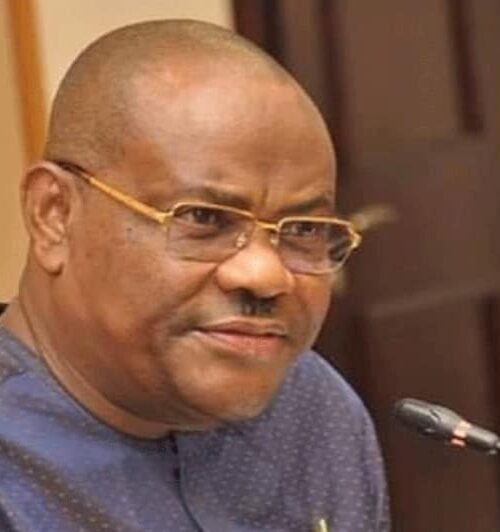
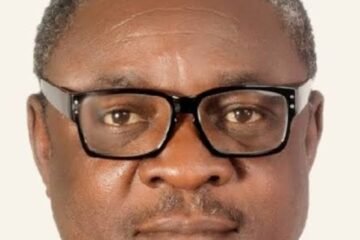
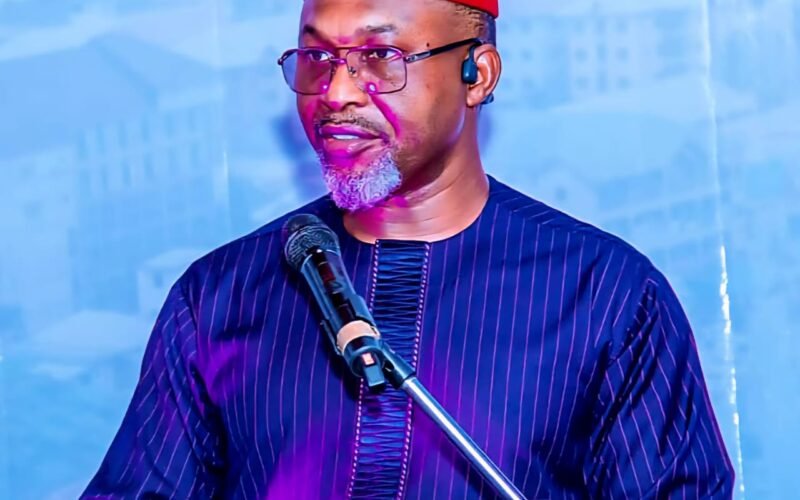
*PHOTO CAPTION: Chidoka.