










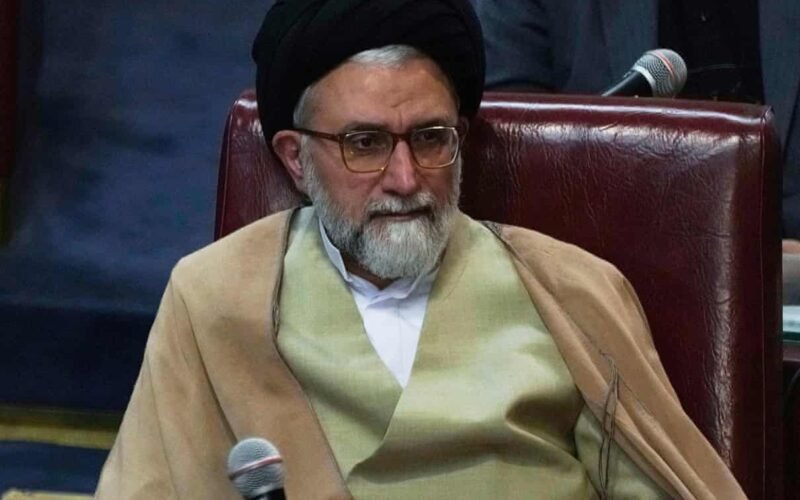
*The 3 Killings Suggest Israel Retains Detailed Intelligence On Movements Of Iran’s Leadership
*Israel Strikes Iran’s Largest Gas Field, Sparking Retaliation Against US’ Gulf Allies
*Oil Price Hits $110/pb
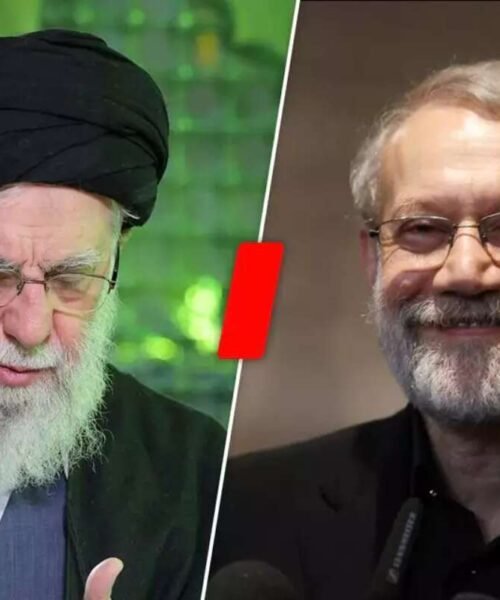
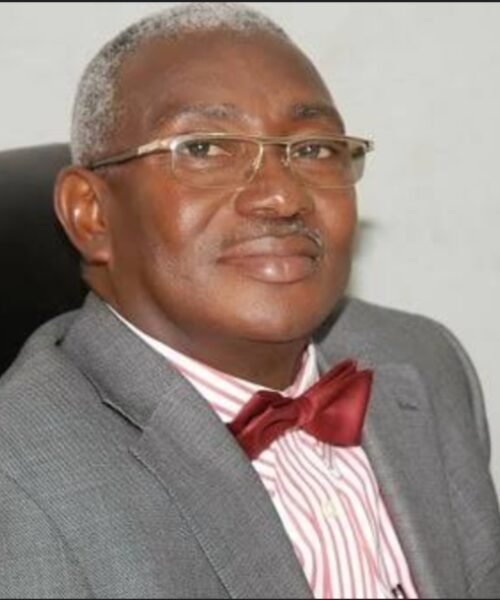
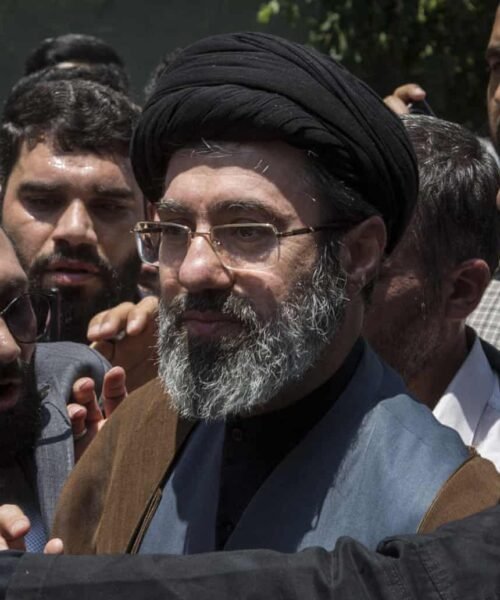
Iran confirmed the death of the country’s Intelligence Minister, Esmail Khatib, a known right hand man of new Supreme Leader, Mojtaba Khamenei, after Israel said it had killed him in an overnight strike, Wednesday, making him the third senior Iranian figure assassinated in 24 hours.
Khatib’s death follows those of National Security Adviser, Ali Larijani, and Commander of the feared Basij militia, Gholamreza Soleimani.
Taken together, the three killings suggest Israel retains detailed intelligence on the movements of Iran’s leadership inside Tehran,the country’s capital, and is able to act on it, leveraging near-total control of Iranian airspace alongside the US to strike with apparent precision.
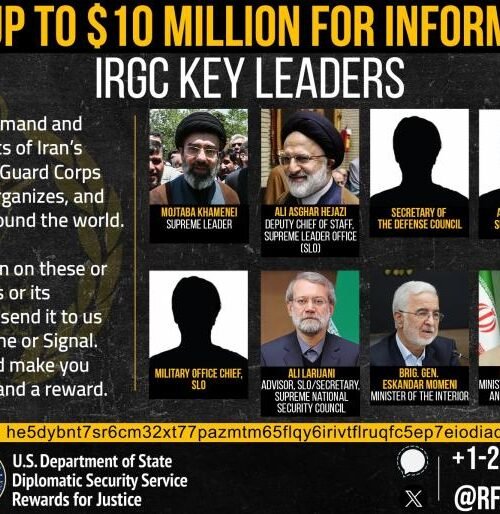
Recall that few days ago,the US published a list of top figures in the Iranian security and civil government, including Mojtaba Khamenei, all of whom it seeks to eliminate, placing a $10m bounty on them as well as free residence in the US,for anyone with information leading to the location of the personalities.
Khatib was appointed as Iran’s Intelligence Minister in August 2021 by the then President, Ebrahim Raisi.
A cleric with deep roots in the Islamic Republic’s security apparatus, his career spanned roles within the dreaded Islamic Revolutionary Guard Corps (IRGC) and the judiciary, and he was placed under sanctions by the US Treasury in 2022 over alleged cyber operations targeting Washington and its allies.
The Israeli military said the Intelligence Ministry led by Khatib was “the Iranian terrorist regime’s primary intelligence organisation, which also played a key role in supporting the regime’s repression and terrorist activities.”
His killing removes yet another pivotal figure from the core of Iran’s political and security establishment at a moment of acute crisis, after the deaths of Larijani – a linchpin of the system, and the most senior figure to be killed since Ali Khamenei – and Soleimani, along with other senior paramilitary figures.
Give Us Additional $200bn To Fight Iran -Pentagon Asks White House
Meanwhile, the Pentagon “has asked the White House to approve a more than $200bn request to Congress to fund the war in Iran, according to a senior administration official”, the Washington Post reports.
The newspaper explains: “The funding request is likely to stage a major political battle in Congress, as public support for the effort remains tepid and Democrats have been sharply critical.
“Republicans have signaled support for the forthcoming supplemental request but haven’t committed to a legislative strategy, or found a clear path to surpass the Senate’s 60-vote threshold.
“President Donald Trump campaigned on ending American adventurism abroad and frequently hammered the Biden administration for the amount of money approved to finance the war in Ukraine. By December, Congress had approved roughly $188 billion in spending for the war in Ukraine, according to the U.S. Special Inspector General for Operation Atlantic Resolve.”
Israel Strikes Iran’s Biggest Gas Field, Tehran Vows Retaliation On US/Israel’s Gulf Allies
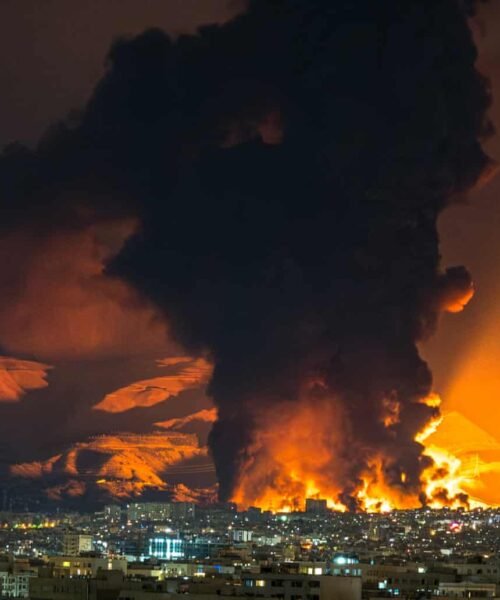
Apparently seeking to shut down the Iranian government, starve it of funds to run the country or continue to prosecute the ongoing war, Israel struck Iran’s giant South Pars gasfield on Wednesday, marking a major escalation of the war.
The attack on the Pars site in the Persian Gulf, which Iran shares with Qatar and constitutes the world’s largest natural gasfield, prompted Tehran to warn neighbouring states that their energy infrastructure could be targeted “within hours”, and triggered furious rebukes from Qatar and other nations in the region.
Located off the coast of the southern Bushehr province, the field holds an estimated 1,800tn cubic feet (51tn cubic metres) of in situ gas, accounting for about 70% of Iran’s domestic supply and a vast portion of Qatar’s exports.
Reactions Trail Israeli Strike
Qatar’s Foreign Ministry spokesperson Majed al-Ansari described the targeting of the gasfield – an extension of Qatar’s North Field – as a “dangerous and irresponsible step.”
The Gulf state’s energy firm said later that Iranian strikes had caused “extensive damage” at its gas hub in Ras Laffan.
Qatar’s Foreign Ministry condemned what it called a “brutal Iranian attack”, saying the targeting represented a “direct threat to its national security.”
In a marked escalation, Iran’s military and security attaches were ordered to leave Qatar within 24 hours.
Abu Dhabi said it had suspended operations at its Habshan gas facility after a separate Iranian missile attack.
Israel’s strike against South Pars was coordinated with and approved by the Trump administration, the American news website Axios reported, citing two senior Israeli officials. The report said a US Defence official confirmed the claim.
The attack on the heart of Iran’s gas infrastructure marks a significant stepping up of US and Israeli military operations.
Until now, both countries had largely spared Iran’s oil and gas sector in an effort to contain global price shocks, but oil climbed towards $110 (£83) a barrel on Wednesday as growing threats to Gulf energy infrastructure and the continuing blockade of the strait of Hormuz raised fears of further supply disruption.
In a statement shared by Iran’s semi-official Tasnim news agency on Wednesday, Iranian authorities said five facilities in Saudi Arabia, the UAE and Qatar “will be targeted in the coming hours.”
The US-Israel war on Iran is now in its third week, with at least 2,000 people reported killed and no clear end in sight.
The strait of Hormuz remains largely closed and US allies have resisted calls from Trump to help reopen the vital shipping lane, through which about a fifth of global oil and liquefied natural gas supplies normally pass.
In a post on his Truth Social network on Wednesday, the US President appeared to suggest the US could “finish off” Iran and then leave responsibility for securing the strait to allied countries that depend on it, a familiar nod to his longstanding complaints about burden-sharing.
“I wonder what would happen if we ‘finished off’ what’s left of the Iranian Terror State, and let the Countries that use it, we don’t, be responsible for the so called ‘Straight?’” Trump said. “That would get some of our non-responsive ‘Allies’ in gear, and fast!!!”
*PHOTO CAPTION: Khatib was ‘eliminated’ in an overnight strike, Israel claimed.