






By SHEDDY OZOENE
The next time we reflect on the series of Nigeria’s deeply flawed elections and the ineptitude of INEC, it may be worth pausing to interrogate also the role of YIAGA AFRICA as well.
Founded in 2007 as a student organisation at the University of Jos, YIAGA AFRICA has since grown into one of the loudest civil society voices in Nigeria’s electoral space. It presents itself as a democracy and human rights organisation, deeply involved in election integrity, civic engagement, and the strengthening of democratic institutions.
So far, so good, but there is a troubling pattern in the group’s activities that deserves public scrutiny.
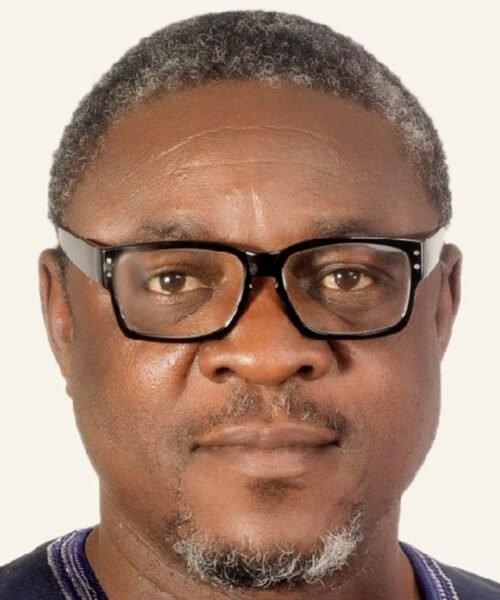
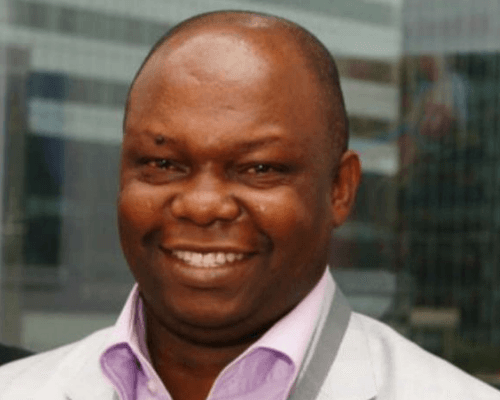
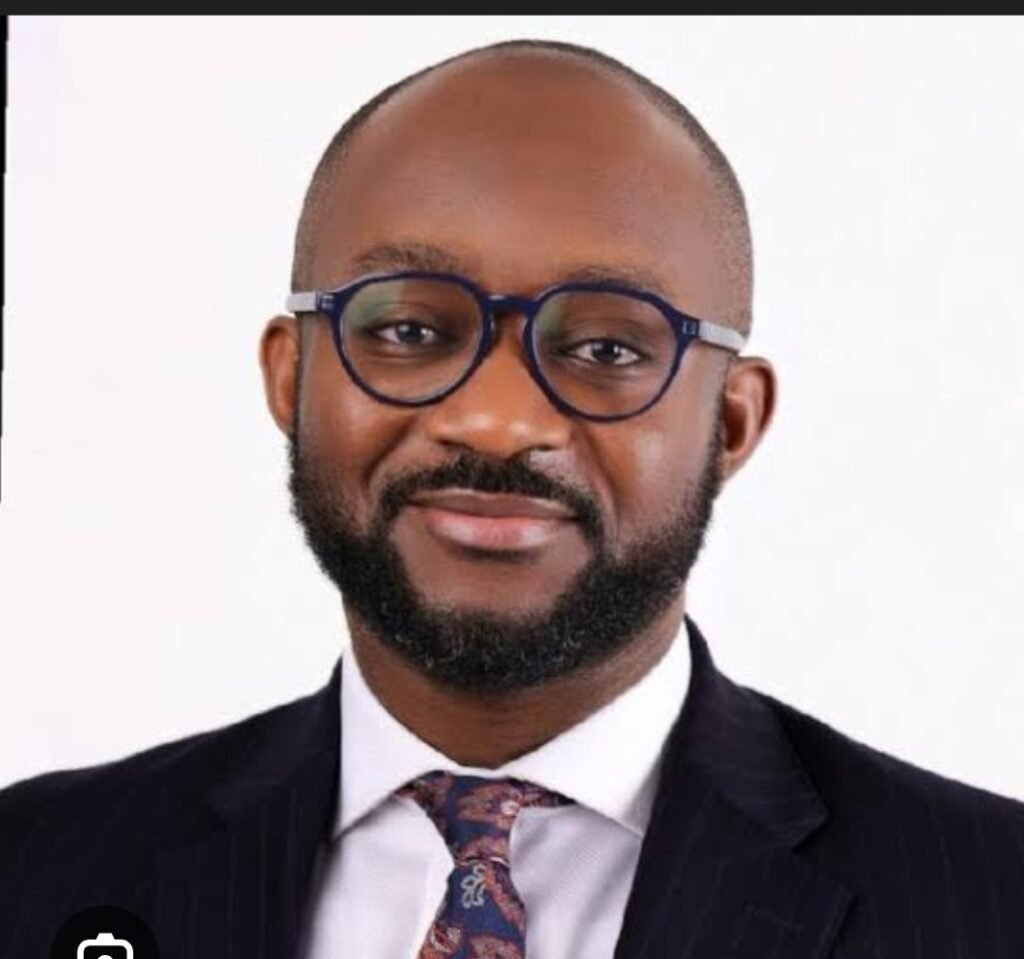
In the build-up to elections, YIAGA AFRICA — and particularly its executive director, Samson Itodo, often appears more visible in the media than INEC itself. Television and radio stations are saturated with their commentary: explaining the Electoral Act, interpreting INEC guidelines, urging citizens to trust the process, assuring Nigerians of INEC’s preparedness, and repeatedly reinforcing confidence in the technological systems that are supposed to guarantee transparency.
During the 2023 general elections, this became especially pronounced. Long before results were announced, Nigerians were assured — loudly and repeatedly — that the process was sound, that the technology was “rock-solid,” and that the election would reflect the will of the people.
We all know how that turned out.
The elections fell disastrously short of expectations and produced what many Nigerians still regard as one of the most brazen electoral heists in the country’s history. Even before the so-called ‘glitch’ was announced, the process of the elections was flawed and fell below expectations.
While we don’t expect Itodo and Co. to man the polling booths themselves or conduct the affairs of the electoral body, it is also worth saying that it is not in their place either, to assure of a performance they are not in control of.
Yet, in the aftermath, when public anger, confusion, and demand for accountability were at their peak, YIAGA AFRICA and its leading voices largely disappeared from the airwaves. The same confidence, clarity, and moral urgency suddenly became absent.
Now, as we edge toward another round of elections, YIAGA AFRICA is quietly re-emerging. On national TV of recent, Samson Itodo had weighed in on the Senate’s rejection of electronic transmission of election results to the INEC IReV portal — once again positioning the organisation as a key interpreter and gatekeeper of the electoral conversation.
This raises an uncomfortable but necessary question: Is this a recurring cycle? As Nigerians prepare, yet again, to be urged to “trust the process,” we must ask: are we all being led down the same road again — with the same voices, the same assurances, and the same disappointing destination
Civil society organisations are meant to speak truth to power, not function as advance public relations buffers for institutions that routinely fail the people. If YIAGA AFRICA is truly independent, then its accountability should not end on election day. Silence after failure is not neutrality; it is complicity.
Most of our elections have fallen short, often due to human error, and at other times because of deliberate compromise of the process. That history is why Nigerians approach elections with so much scepticism.
So when a group, a ‘credible’ group, keeps stepping forward in the build-up to elections to reassure citizens about a process it does not control, it is only reasonable to ask hard questions, especially if the cycle has been repeated many times, often with similar outcomes.
Every society needs organisations like Yiaga Africa because democracy advocates play an important role. My concern, however, is how much Yiaga has come to stand in the gap on issues that properly belong to INEC. In the last election, much of the confidence Nigerians carried into polling day did not come directly from INEC’s own commitments or clarity, but from interpretations and assurances offered by civil society groups, Yiaga Africa most especially.
With a presence, by their own account, in all 36 states, the FCT, and all 774 local government areas, one would expect reports and data that would have sustained post-election engagements long after. Instead, after the last election, there was largely silence. The voices faded.
Now, as another round of elections approaches, those voices are returning.
That pattern raises legitimate questions, not necessarily about Yiaga Africa’s existence or usefulness, but about purpose.
Finally, the question is: do they really owe us explanations on the conduct of elections that only INEC is in a position to provide? No. But then they should not continue to stand where only INEC should stand, in explaining and interpreting the process and preparations towards elections that omly they have the mandate to conduct.