











By Lidia Bastianich
I traveled to US to highlight food. What I found was community.
When I came to the United States as a young refugee, my family had very little – except for the kindness of the neighbors who welcomed us. They brought us food, helped my mother find work and reminded us, in a new and uncertain world, that we were not alone.
Those early experiences shaped my life and my cooking. And memories of them came rushing back as I traveled across the country this year filming my new PBS special.
In every place I visited – from wildfire-scarred neighborhoods outside Los Angeles to a pay-what-you-can café in Denver – I met ordinary Americans doing something extraordinary: stepping in for one another at a time when food prices, rents and daily anxieties are rising faster than many families can keep up.
Indeed, food insecurity in America is increasing. I saw the strain in every community I visited.
When Supplemental Nutrition Assistance Program (SNAP) benefits were temporarily halted recently, nearly 42 million Americans felt it – food pantries saw lines lengthen and parents told me they were stretching every ingredient they had.
While SNAP benefits have now been reinstated, the need has not disappeared. For many families, the safety net is still too thin, and new restrictions could put millions more at risk of losing the support that helps them feed their children with dignity.
As a result, people across the country are improvising their own safety nets. In Colorado, a mother cooks extra lasagna because she knows the family down the hall is struggling.
In California, neighbors organize a burrito night so that no one on the block goes to bed hungry.
As one recent news story highlighted, this grassroots generosity is growing as food prices soar and paychecks fall short.
These small acts aren’t simply about food – they are about dignity. They say, I see you. You matter. You belong.
At SAME Café in Denver, a guest can pay with money, vegetables from their garden or even an hour of volunteer time. No questions asked.
At District 10 Community Market in San Francisco – the first legislatively supported free grocery store in the country – families choose their ingredients just as they would in any supermarket, surrounded not by red tape but by respect.
In Los Angeles, I watched chefs and volunteers cook hot meals for families who had lost everything in the January wildfires, with pots on the stove, music in the air, hope simmering beside grief.
What I witnessed confirmed something I have believed my whole life: Food is one of the most powerful tools we have for rebuilding community.
When prices rise and budgets collapse, we can still cook for the sick neighbor, drop off a meal for the single parent working two shifts or share what we grow, bake or buy.
We can still pull up another chair. We can still treat each other as human beings worthy of simple, everyday grace.
Growing up in a tight-knit community that knew hardship well, my grandmother would say, “If you have a loaf of bread, you always have enough to share.”
That wisdom followed me from a refugee camp to my first restaurant kitchen and into every home I’ve visited across America.
Yes, policymakers must address the economic pressures squeezing families – by strengthening the programs that keep food on the table during hard times, by supporting the small farmers and grocers who keep our communities fed, and by making sure that no child goes to school hungry.
‘ A Nation of Neighbors’ shows the America I know. We can strengthen it.
These are long-term solutions that require commitment, not just during a crisis, but every day. Even the best policies, however, cannot replace what happens when one neighbor shows up for another. While leaders work on systemic change, the work of caring for each other begins at our own kitchen tables.
This generosity is a reminder of the America we aspire to be. And today, we need that reminder more than ever.
Every time we offer a meal – no matter how simple – we communicate something much deeper: that we are tied together, that our fates are connected, and that a nation is strongest not when everyone has the same, but when everyone has someone.
I invite you to look around your neighborhood. Be intentional about getting to know everyone living around you. Who could use a warm dish this week? Who might need a friendly knock on the door? You don’t need to run a café or a free market. You simply need to care.
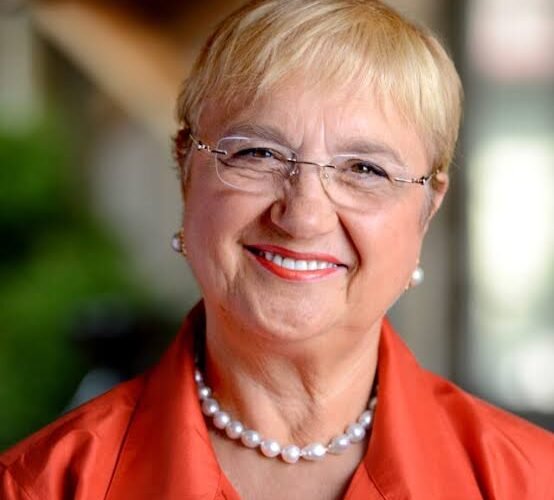
*Lidia Bastianich is an award-winning public television host, chef, author and restaurateur.
*This article was first published this morning in usatoday.com